What will cities look like in the future?

How will WE adapt to change, restore the wonder of nature, and stay healthy?


NYSW.jpg

The built environment has an enormous impact upon human civilization and culture, upon the richness of the Earth, and upon the quality of our lives. What we build defines what we value, how well we live, and who we can become.

Aboard Caplow Manzano, our mission is to advance the frontier of what buildings can do. We are designing and developing the city of the future, piece by piece.


Copy of 120716_JAbreu_194.jpg
Adapting.png

Adapting to change and resilience are two sides of the same coin. When it comes to buildings and rising seas, a changing climate and a threatened infrastructure are facts of modern life. Sea level will rise over the next century - by a foot, by eight feet, estimates vary - but it will rise, and today’s buildings must adapt to tomorrow’s waters. Building is expensive and time consuming and wasteful, but durability - resilience - mitigates all of these costs.

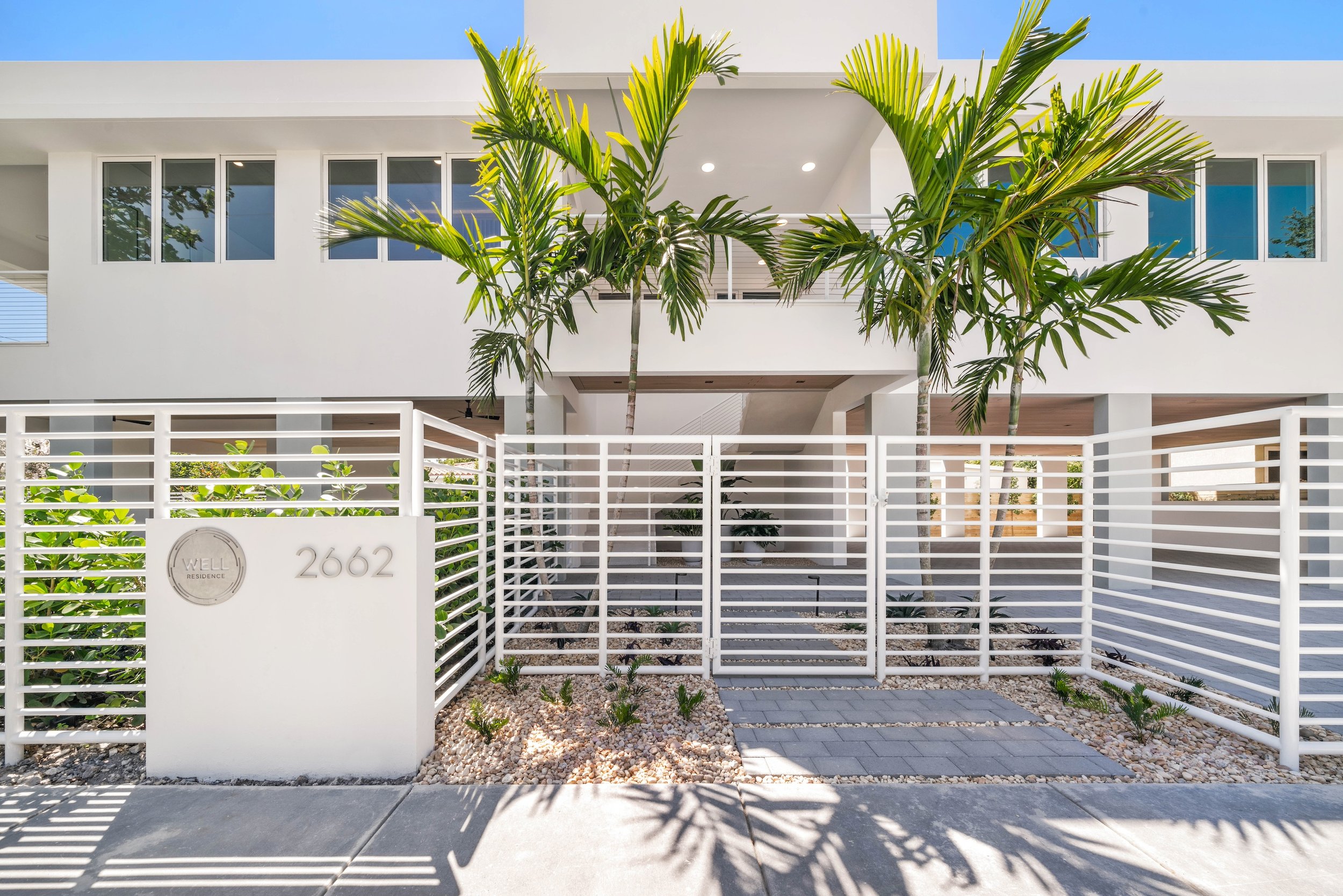
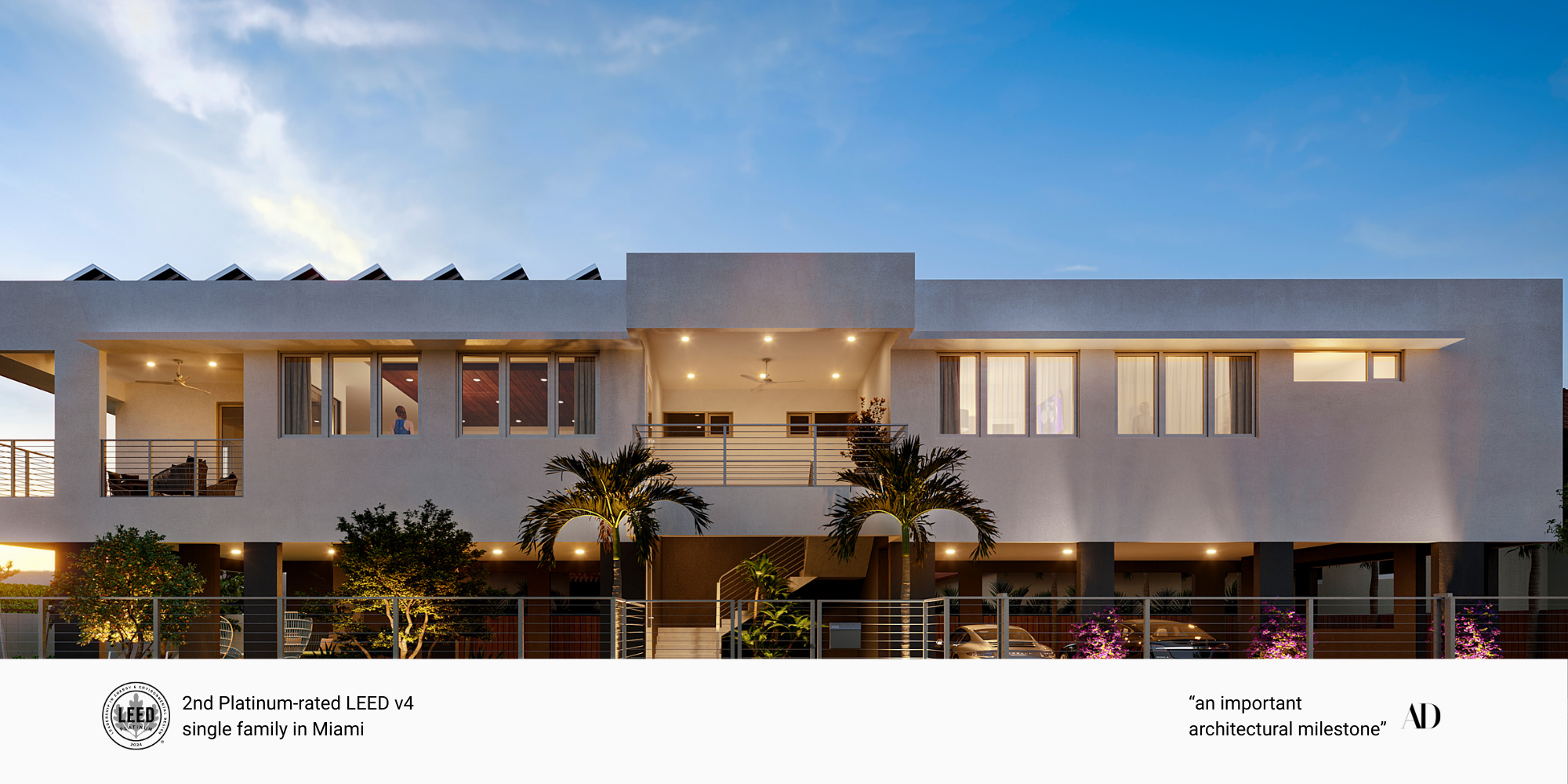
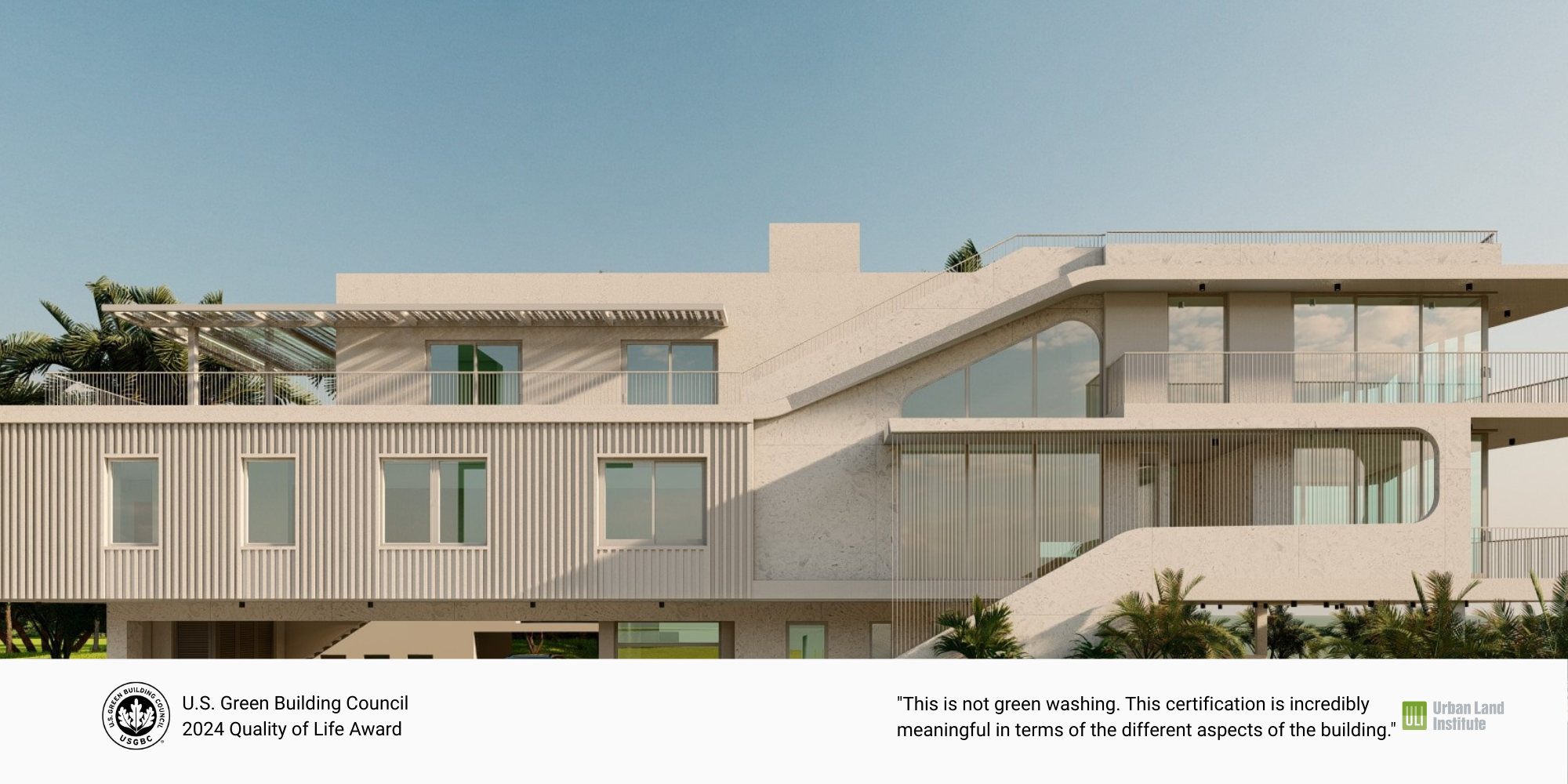
SeaHouses are built far above the flood, so they won’t get their feet wet for hundreds of years. They are made of the longest lasting materials available today.

Learn more.

 
Oct08b+131.jpg
Restore.png

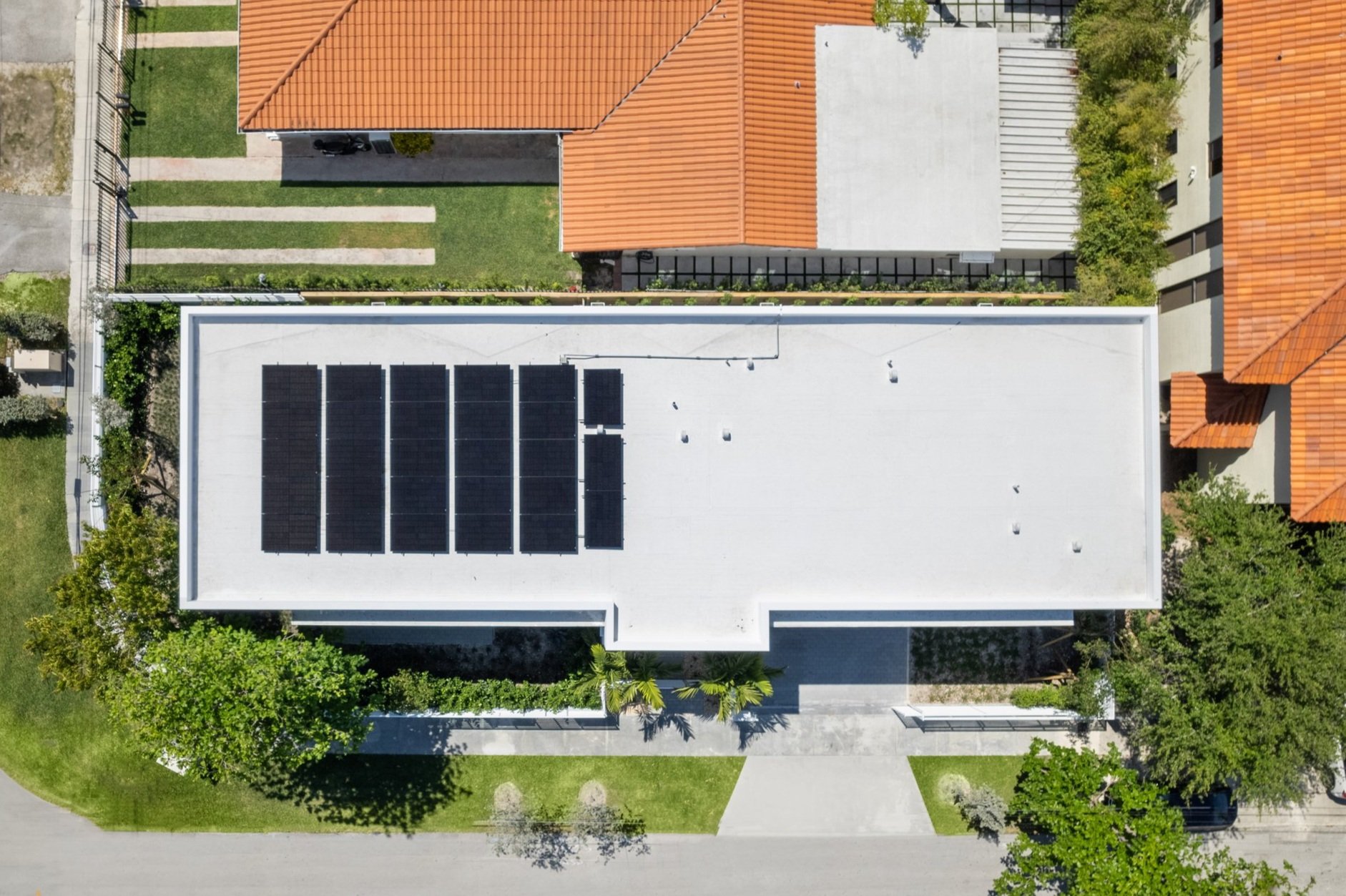
Our built environment consumes 40% of the global energy supply and produces 40% of the excess CO2 entering the atmosphere. By fully capturing and carefully managing the sunlight falling on the building envelope, we can bring that number toward zero.

North America contains 3 acres of agricultural land per capita. Most of our food travels 1000 miles from production to consumption, and between a third and a half of it is wasted. Agriculture consumes 80% of our water. Building-integrated agriculture is in its infancy, but the relationship between plants and people is deep. 

SeaHouses are powered by the sun. Learn more.


BayWest.jpg
Protect.png

We spend nearly all of our time in the built environment. Human health begins at home. We share our homes with microbes, germs, dust, dander, spores, mites, and pollen. What can a building do to help us understand and avoid risk, while improving the quality of our lives?

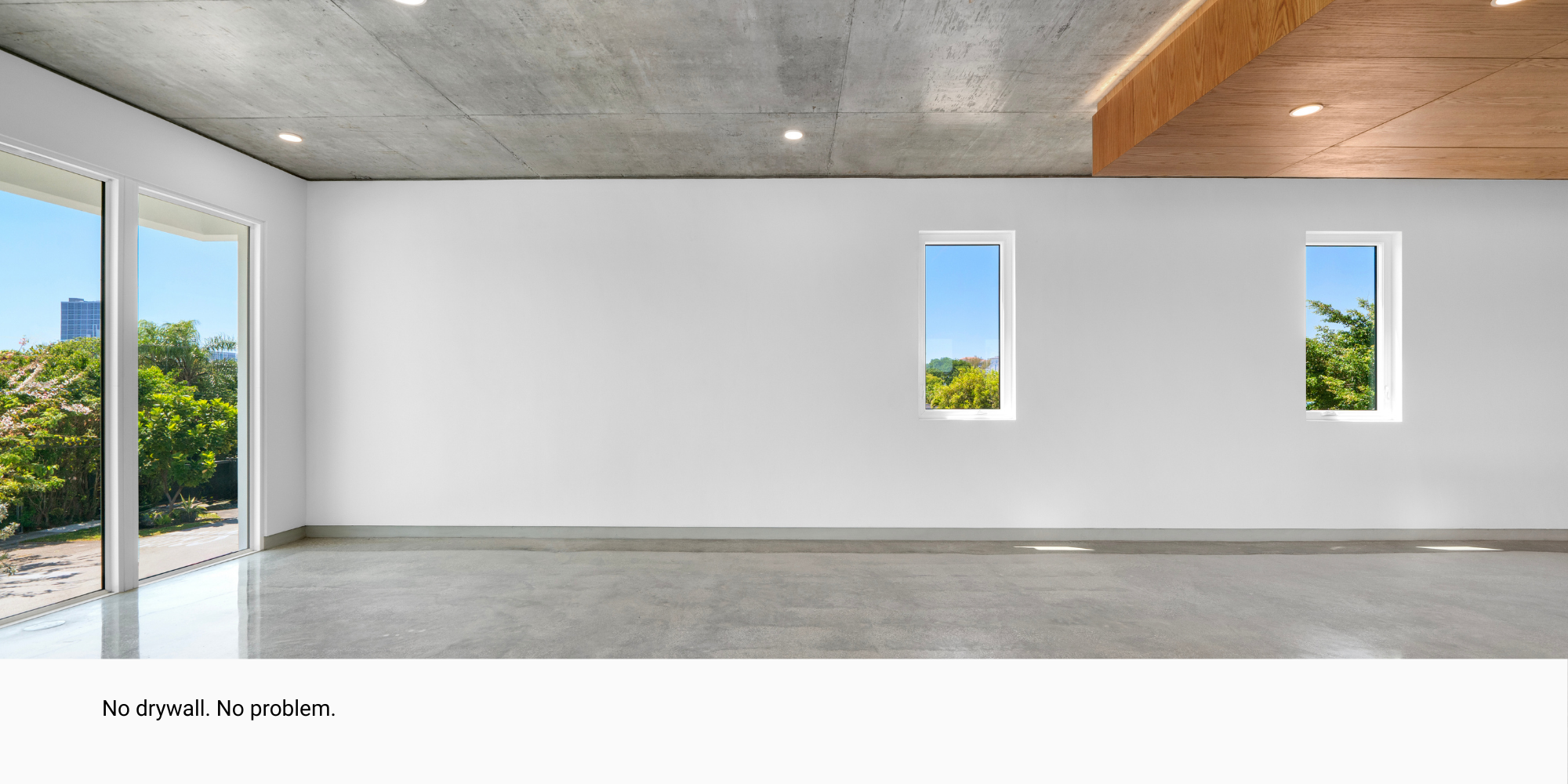
Right now, what is your house doing for you? Every breath we take indoors passes through a maze of ducts that were last cleaned when the building was made. Furniture, carpets, and curtains are impregnated with chemicals designed to retard fires and resist sunlight...now slowly easing out of these products and into the human body. And the drywall that coats every room is only “dry” when it's installed. After a leak, it's a yellow crumbling mess.

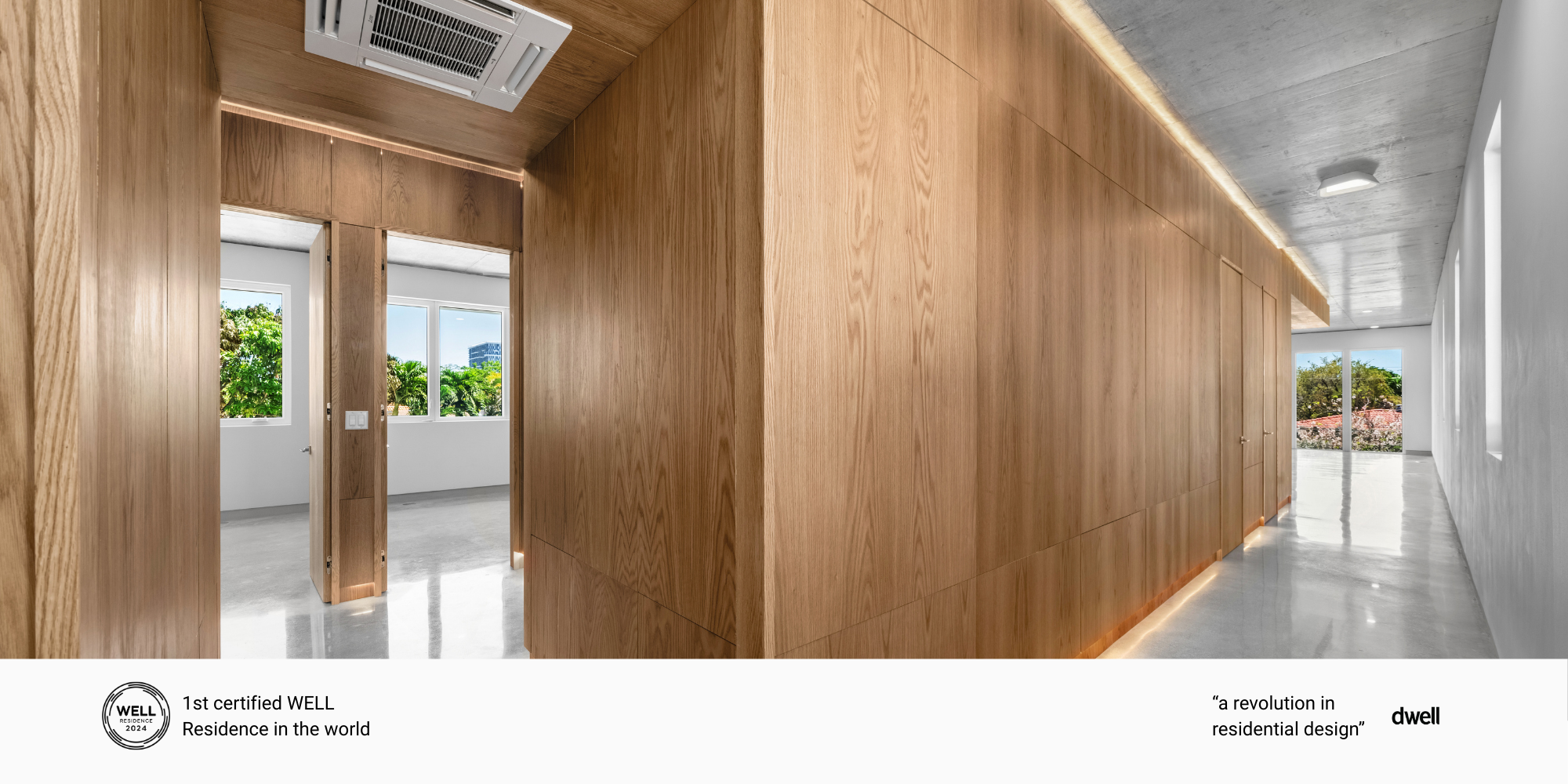
Indoor air quality is the most obvious of several important interactions between buildings and their occupants. Others include water quality, lighting, sound, thermal, microbial, and ergonomic impacts.

SeaHouses are designed with no cavities, no ducts, no drywall. Learn More.